
Why Neuroscience Matters for Coach Development
What’s really changing as you grow as a coach
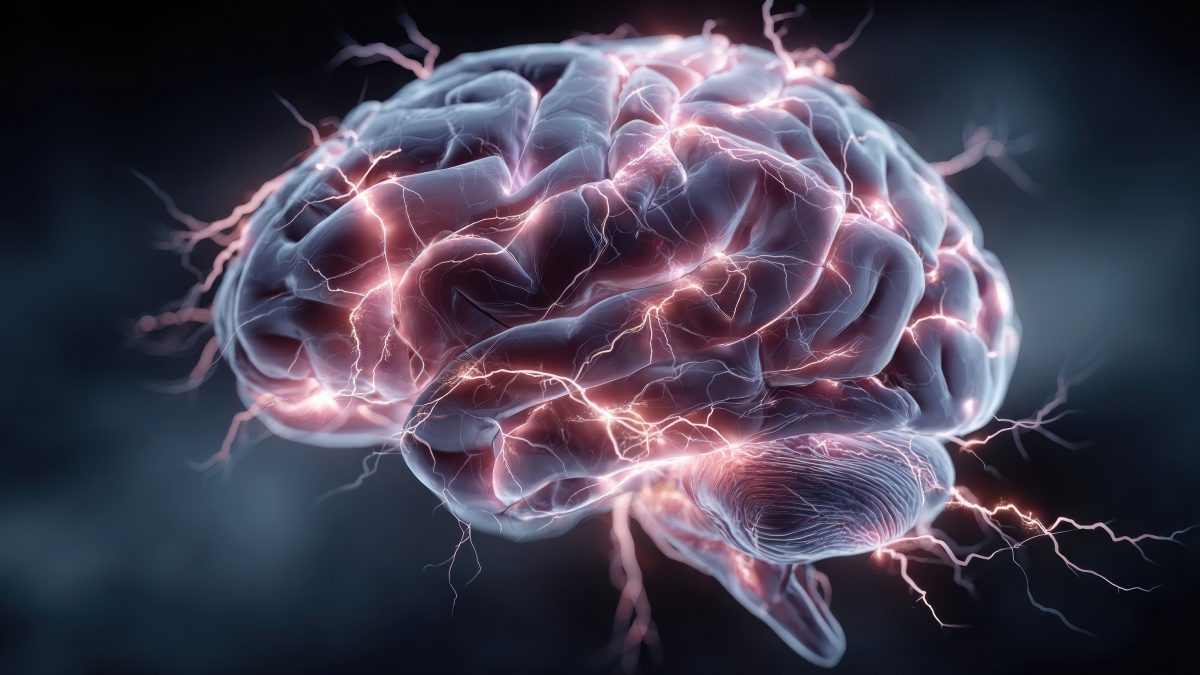
Developing as a coach isn’t simply about improving technique. It’s about what’s happening in your brain.
We can learn models, master competencies, practise questions and refine language, but the real shifts in coaching maturity happen much deeper than technique.
They happen in how our brain learns to pay attention, tolerate uncertainty and stay present when things feel messy or unfamiliar.
For years, coaching drew on psychology, adult learning and reflective practice to explain development.
Useful, yes…. but it’s incomplete.
Neuroscience gives us another layer of understanding; one that explains why growth as a coach can feel uncomfortable, slow and occasionally disorientating.
In his 2006 paper A Brain-Based Approach to Coaching, David Rock, in conversation with neuroscientist Jeffrey Schwartz, described coaching as a process that quite literally reshapes neural pathways.
And that’s just as true for us as coaches as it is for the people we work with.
Why Developing as a Coach Can Feel Hard
Every time you stretch your coaching, sitting longer in silence, not rescuing a client, trusting the process rather than your favourite tool, your brain reads this as risk.
The brain is wired for efficiency and familiarity. New ways of being ask it to let go of well-rehearsed patterns and the emotional parts of the brain recognise it as uncertainty. The thinking brain has to work harder and that’s why development can feel hard work even when you want it.
This is also why information alone doesn’t create better coaching. You can “know” the ICF Core Competencies inside out and still default under pressure.
Development needs something else: focused attention, reflection and repetition which are the conditions that allow the brain to rewire.
How Coaches Rewire Their Own Practice
Neuroscience helps make sense of what deep development as a coach really takes.
There are four key elements to be aware of….
Attention
Where you focus your attention shapes your coaching. Noticing when you interrupt, rush or subtly direct a client begins to stabilise new neural pathways and this increase in awareness is active training.
Reflection
This isn’t performance review or self-criticism. When there’s space for real reflection the brain integrates experience more deeply.
This is where coaching presence deepens and confidence grows.
Insight
Those moments when something clicks — oh, that’s what I’m doing in the session — are neurological events.
They update how your brain understands coaching, not just how you think about it.
Practice
Trying something new again and again, especially with support, builds reliability under pressure.
Over time, what once felt an effort becomes natural
The Bottom Line for Coaches
Knowing how the brain works doesn’t make coaching mechanical; it gives us a more balanced and realistic understanding of growth.
It explains why growth can’t be rushed, why supervision and mentoring matter and why real confidence comes from internal rewiring rather than simply sounding more confident.
For me, neuroscience doesn’t change how I coach.
It reassures me that slowing down, paying attention, and trusting the process is exactly how development happens, for our clients and for us.
And let me leave you with a question…
If development is neurological, not just technical, what does that change for you?
Until next time,
Cath
x
P.S. Inside my ICF Accredited Coach Development and Mentoring Programme, we look at what’s happening beneath the surface of your coaching — how your attention works, where you tighten under pressure and how presence becomes more reliable over time. It’s developmental, reflective and grounded in how change really happens.
If you’re ready to find out how that can help you grow your coaching then let’s have a conversation.
Click here to book a call.
