
The Argument with Reality

When the Journey Becomes More Than Travel
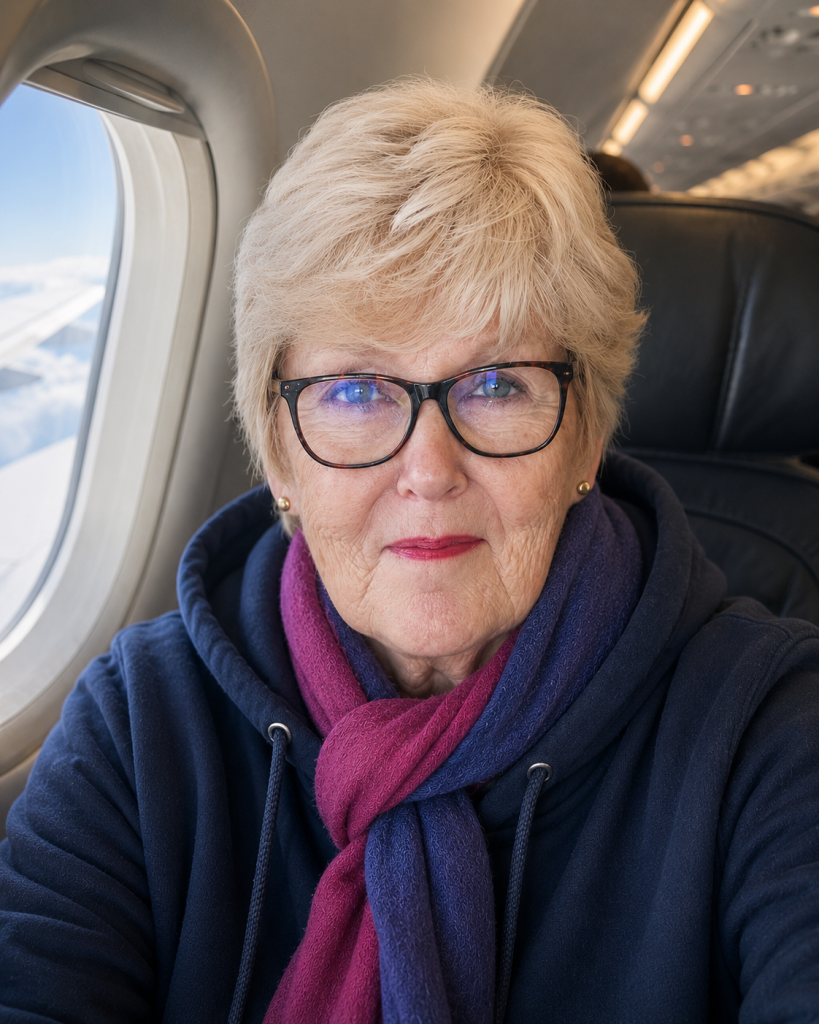
I arrived home from Australia a few days ago after eight weeks with my family and grandchildren. What I hadn’t factored into the journey home was a bruised tailbone.
It sounds minor when you say it quickly “a bruised tailbone”, but on the first 9 hr flight it soon became very clear that sitting for extended periods was going to be a problem.
There are only so many positions you can attempt in an aeroplane seat before you realise none of them are going to work very well.
By the time I finally arrived home, I was exhausted. I’d slept very little, my body clock had no idea what time zone it belonged to anymore and, several days later, I still don’t feel fully adjusted. I suspect many people who travel long haul regularly will recognise that strange disconnected feeling where your body is technically home but the rest of you hasn’t quite caught up yet.
Fighting With Reality
What I’ve noticed over the last few days is how quickly my mind wants to resist what is actually happening, how it wants to argue with reality.
“You shouldn’t feel this tired”.
“You should be back to normal by now”
“You’ve got lots to do”.
“Come on, pull yourself together”.
Part of me expects to be functioning normally again already. To be productive, clear-headed and fully focused.
Yet the reality is that tiredness affects concentration, discomfort and pain affect patience and jet lag affects almost everything. My pretending otherwise doesn’t make any of it disappear.
I think many capable people do this to themselves far more than they realise. We get irritated by the fact that we can’t simply push through, particularly when we are used to coping well, leading well or performing consistently.
Coaches Do This Too
I notice this often in mentoring conversations too. Coaches who are exhausted from trying to hold themselves to an invisible standard of how they think they “should” be showing up.
Many coaches are incredibly good at offering understanding and compassion to clients whilst withholding it from themselves. There can sometimes be an unspoken expectation that because we coach others, we should somehow be immune from tiredness, self-doubt, emotional depletion or periods where life simply catches up with us physically. As though professionalism means operating at full capacity regardless of circumstances.
But perhaps part of developing maturity as a coach is becoming less resistant to our own limitations, not more.
The last few days have reminded me that there’s a difference between resilience and resistance.
I think resilience allows recovery whereas resistance argues with reality.
Slowing Down Without Making It Mean Something
At the moment, what’s actually happening for me is fairly simple.
I’m tired, my tailbone still hurts, my body clock is somewhere over the Indian Ocean
and apparently recovery takes longer at my age than it did when I was younger.
So instead of pushing through unnecessarily, I’ve found myself slowing down a little more than usual, working in shorter bursts and accepting that my energy and concentration will return in their own time.
There’s nothing especially profound about that, although I suspect many people find it harder than they admit.
Perhaps there’s something useful in remembering to be kinder to ourselves when we are temporarily not at our best and that we don’t have to be operating at 100% all the time in order to still be thoughtful, effective and fully ourselves.
And recognising that fighting reality often drains far more energy than the reality itself.
When we stop resisting what we’re experiencing, there’s often a little more space to simply be present with it and that feels particularly relevant to me right now because, if I’m honest, part of me is still wanting my body and mind to catch up faster than they actually can.
As I’ve been reflecting on all of this over the last few days, one question keeps coming back to me that you might find useful….
What might change if, instead of pushing yourself to “get back to normal” as quickly as possible, you allowed yourself a little more time to recover and readjust?
Until next time,
Cath
